STEAM in Action: Creativity, Collaboration, and Innovation
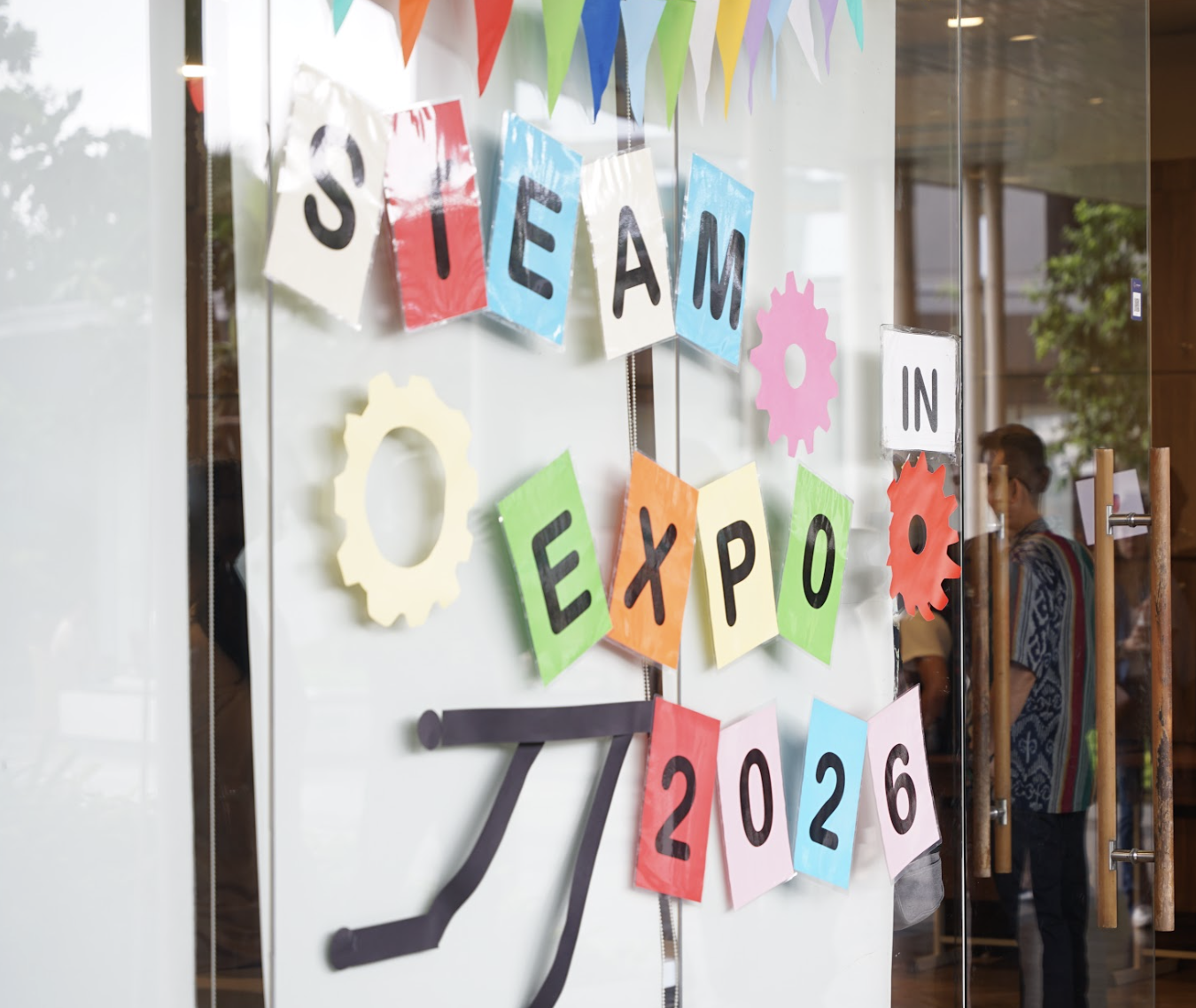
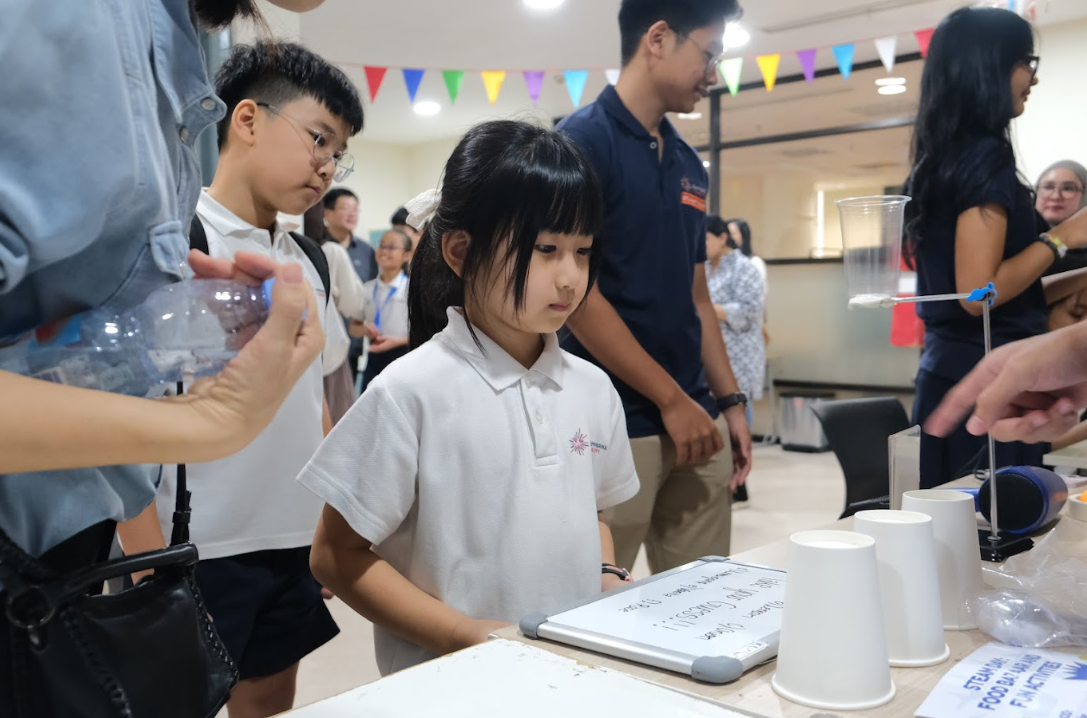
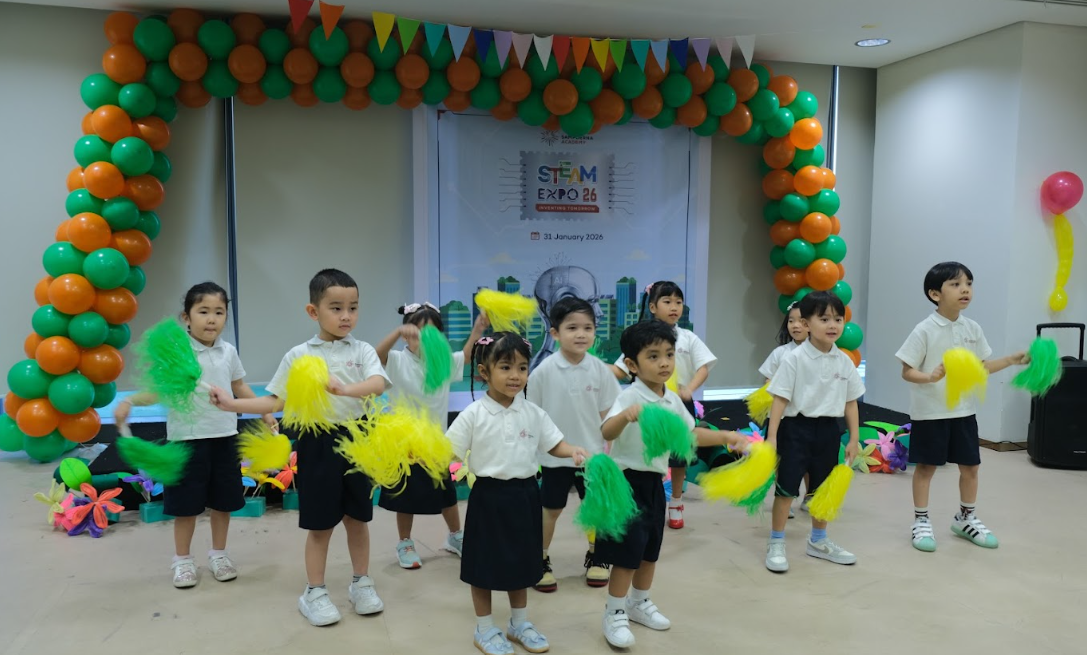
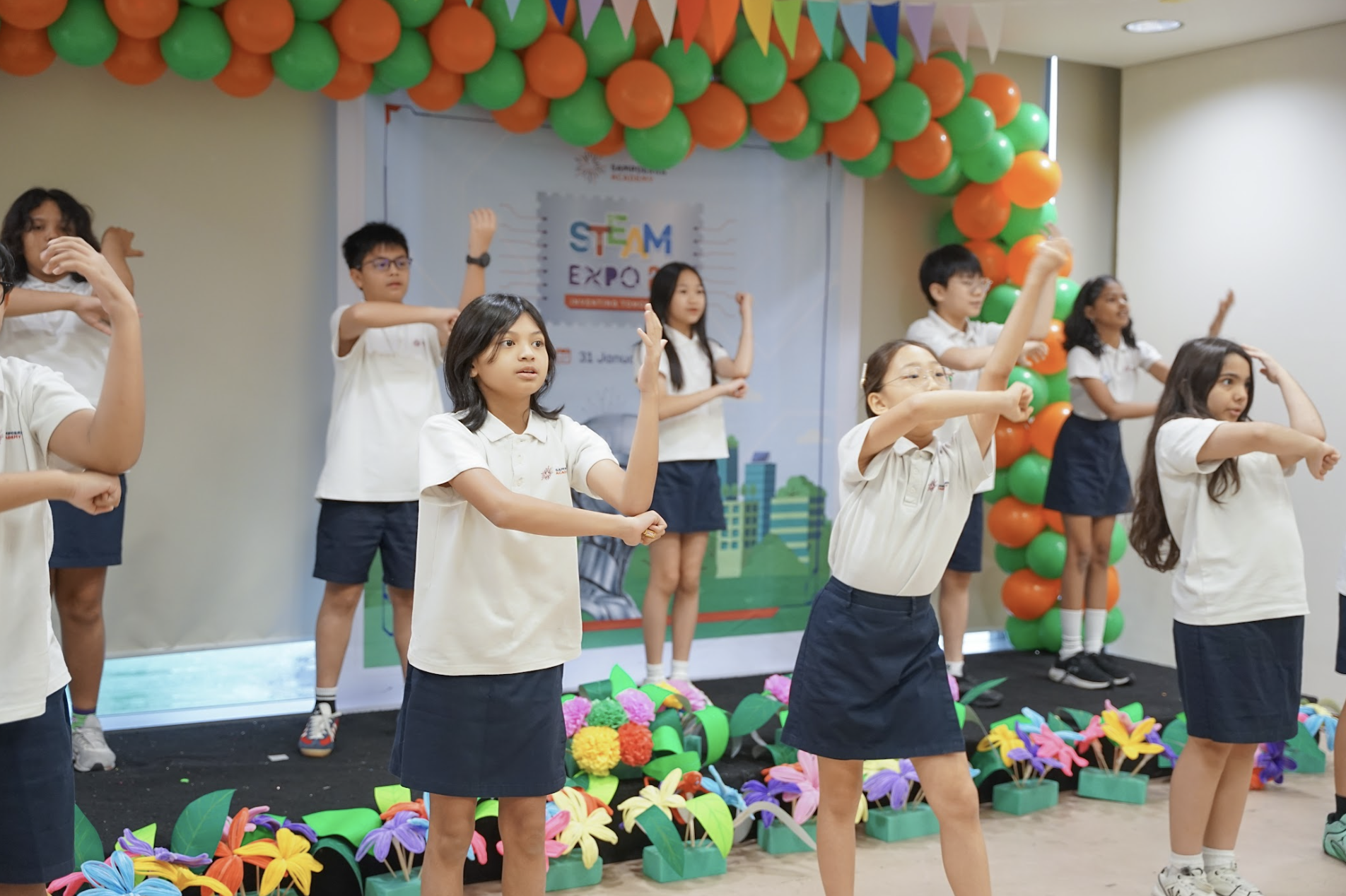
Learning beyond the classroom brings an alternative way to explore, create, and try new ideas. That’s exactly what Sampoerna Academy L’Avenue’s recent STEAM Expo 2026 was all about. Taking place on January 31, 2026, with the theme: Inventing Tomorrow, the STEAM EXPO combined science, technology, engineering, arts, and mathematics. ELC, Primary and Secondary students were challenged to think creatively, work together, and solve real problems in fun and practical ways.
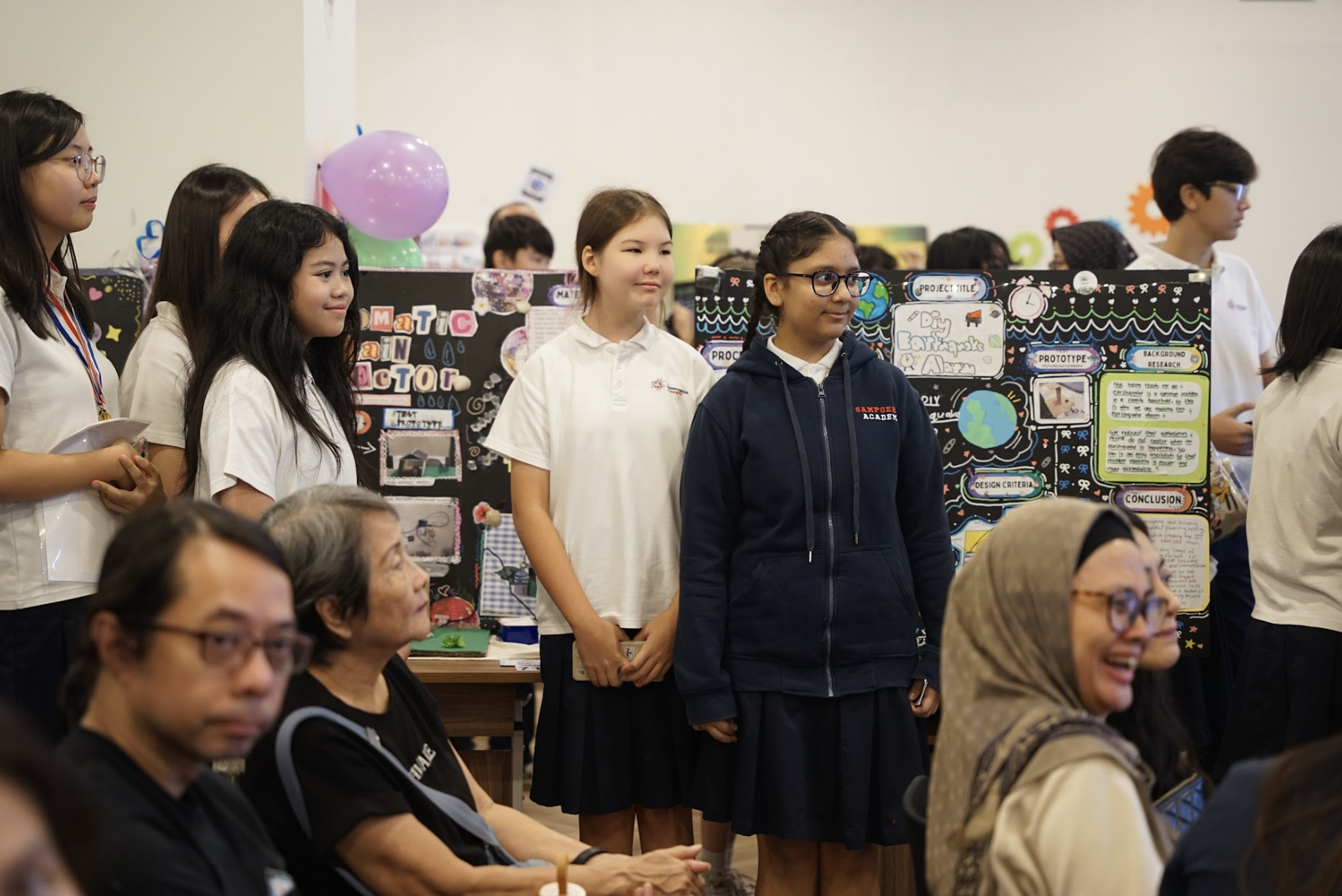
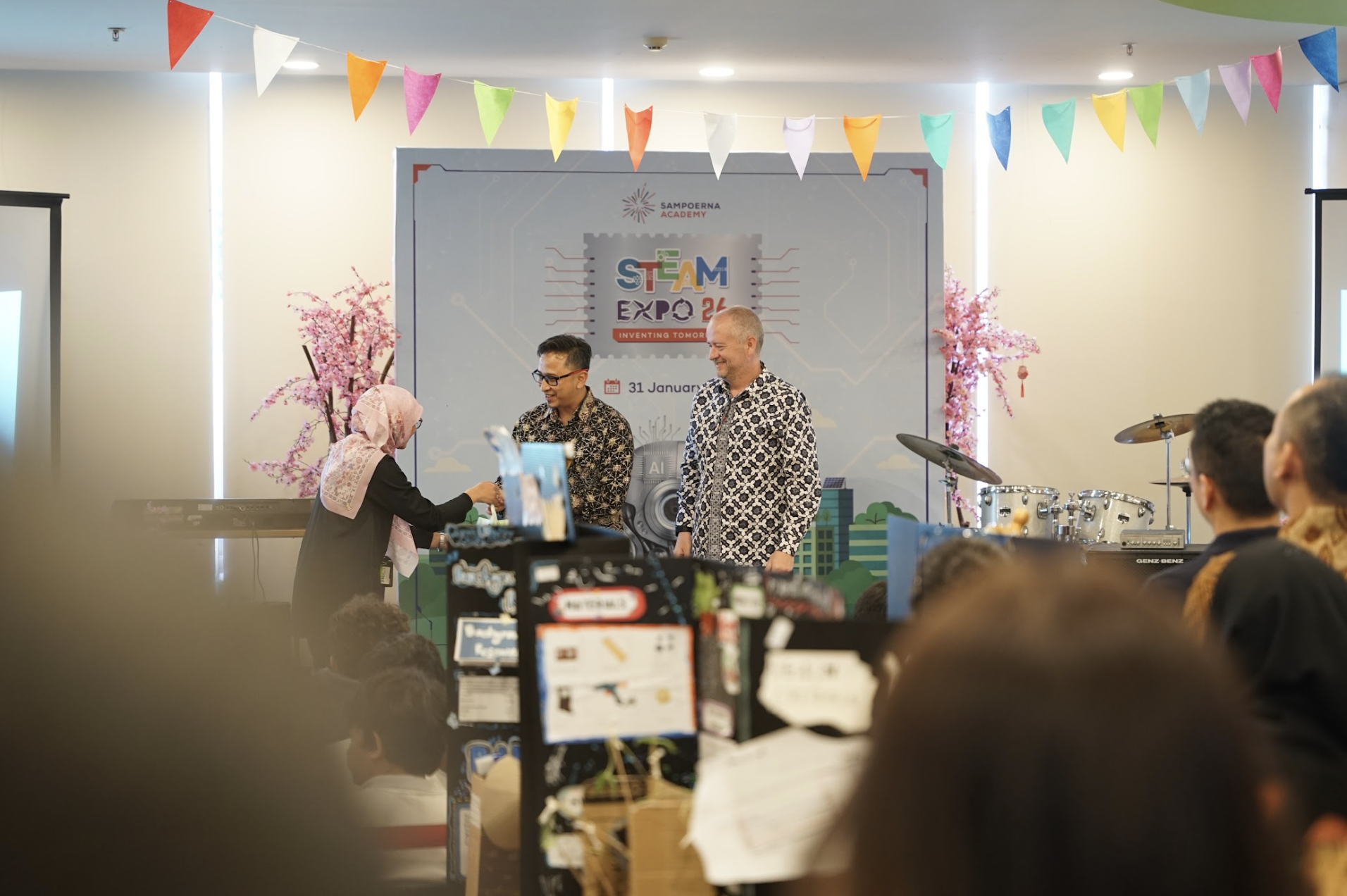
Organized by the ICT teacher, Mr. Jun Jun Bucayu, the STEAM EXPO began as a joint program between the ELC, Primary and Secondary departments. Grade 7 and 8 students showed their STEAM projects in the MPH, alongside selected Grade 9 students presenting their USSC projects. Following the finalists’ presentations to the panel of judges, the event continued with the announcement of the Top 3 winners from Grades 7 and 8. In addition, several special awards were presented, including Best Teamwork, Best Display, Best Presenter, Best Booth, and Best Coach.
According to Mr. Jun, an ICT teacher and STEAM Expo 2026 PIC, the main goal of introducing the STEAM project was to develop future-ready learners who are able to solve problems, and innovate with purpose. By integrating science, technology, engineering, arts, and mathematics into one learning experience, students are encouraged to move beyond classrooms.
However, he also shared that guiding the project came with several challenges, such as organizing student groups, managing project proposals, assigning teachers as coaches, and ensuring continuous feedback. Some projects required technical skills like programming and electronics, which meant additional support was needed from teachers.
Despite these challenges, Mr. Jun emphasized that STEAM projects play an important role in preparing students for the future. Students learn how to solve real-life problems, become more confident in using technology, develop creativity, and improve their teamwork skills. They also learn resilience by understanding that failure is part of the process. Overall, he highlighted that STEAM helps students build the essential 5C’s: creativity, communication, critical thinking, collaboration and character.
For students, STEAM is a chance to explore their interests and try something new.
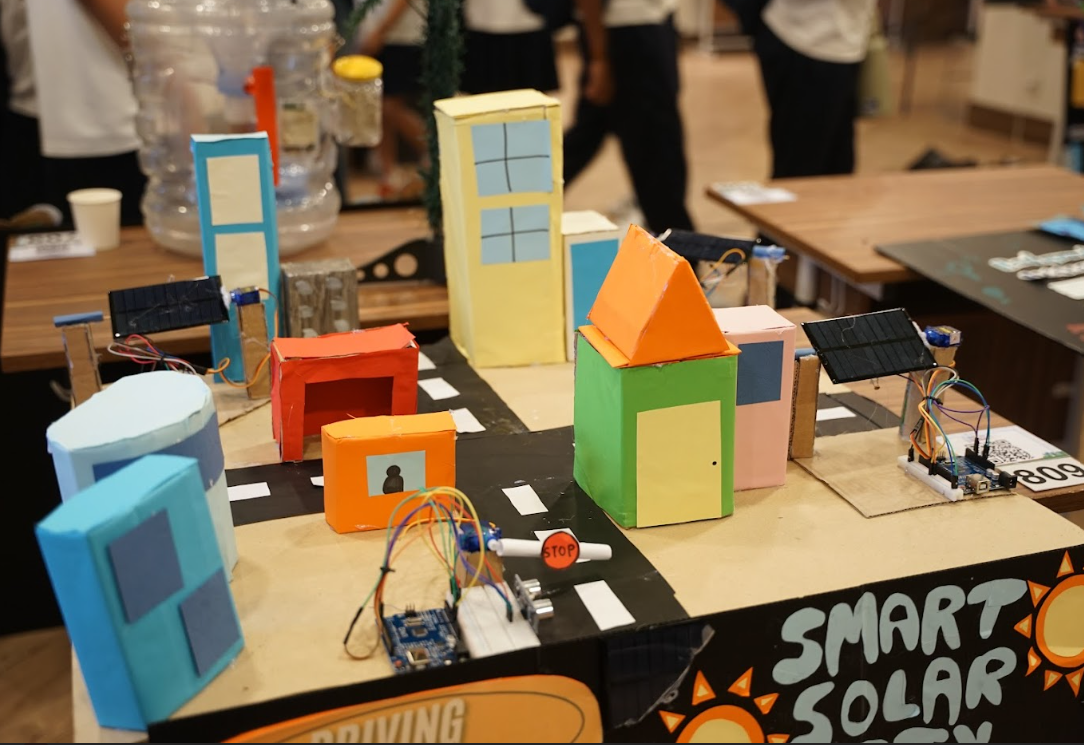
Aline and Adeline from Class 5C had an exciting STEAM experience with their project, the Rain Sensor. They created a model house connected to an Arduino system that can detect rain and automatically protect clothes from getting wet. Using sensors and motors, the system moves the clothes when rain is detected, showing how technology can solve everyday problems. At first, they faced some challenges, like not having a clear plan and working on too many things at once, such as decorating and coding at the same time. They also had limited experience with Arduino, which made things harder. But over time, they improved their teamwork and figured things out together. This project helped them realize how important collaboration is and showed them that ICT is not just about basic tasks, but it can be used to create real and useful solutions.
As for Emillio from Class 8C, who created a 2D precision platformer game focused on smooth movement and speed running, unlike typical platformer games where players mostly walk and jump, his game focuses on momentum, using a physics-based system that allows players to perform wall jumps, air dashes, and slides while keeping their speed. By combining coding and design, he was able to create a game that feels as smooth as it looks. Interestingly, his favorite part was adding features like input buffering, which makes the game more responsive and less frustrating to play.
Through this project, Emillio learned that good design means thinking about the player and making the experience as user-friendly as possible. He also learned how to apply concepts like velocity, acceleration, and collision detection to improve his game.
In the end, the STEAM Expo 2026 shows that learning can be both meaningful and exciting at the same time. It’s not just about getting the right answers, but about exploring ideas, solving problems, and learning from mistakes along the way.
Through creativity, teamwork, and innovation, students were able to turn their ideas into real projects they can be proud of.